


- Intended Parents
- 8 min

What Disqualifies You from Being a Surrogate? Key Insights
Overview
In considering the journey of surrogacy, it’s essential to understand the factors that may disqualify individuals from serving as surrogates. We recognize that this can be an emotional topic, and it’s important to address your concerns with compassion. Various criteria come into play, including:
- Age
- Medical history
- BMI
- Living environment
- Psychological health
- Lifestyle choices
- Citizenship
- Legal considerations
These disqualifications are not merely procedural; they are critical for ensuring the safety and well-being of both the surrogate and the child. By carefully evaluating these factors, we aim to mitigate risks associated with pregnancy and foster a supportive environment for everyone involved. As you navigate this journey, remember that our commitment to your well-being is paramount, and we are here to provide the guidance and support you need.
Introduction
Embarking on the journey of surrogacy can feel overwhelming, as it involves navigating a complex web of qualifications and disqualifications that significantly impact both intended parents and potential carriers. We understand that the criteria—ranging from medical history to lifestyle choices—can create uncertainty.
Recognizing what disqualifies an individual from being a surrogate is crucial for ensuring a safe and successful experience. Yet, what happens when hopeful candidates encounter unexpected barriers? As you navigate this journey, exploring the implications of these disqualifications reveals not only the challenges but also the opportunities for support and guidance.
Together, we can address these concerns and foster a nurturing environment for all involved.
Defining Surrogate Disqualifications
Substitute disqualifications involve specific criteria or conditions that detail what disqualifies you from being a surrogate. These disqualifications can arise from medical, psychological, or lifestyle factors. Understanding these criteria is vital for both prospective parents and carriers as they navigate the gestational journey. The standards are thoughtfully designed to safeguard the well-being and safety of both the carrier and the child, while also fostering a positive experience for everyone involved.
As you consider this path, key eligibility criteria for surrogates in 2025 include:
- Age: Candidates should be between 21 and 42 years old, as this age range is linked to lower risks during pregnancy. Women outside this bracket may encounter during IVF.
- Medical History: Surrogates must have previously carried and delivered at least one child without major complications. A history of serious pregnancy issues, such as preeclampsia or gestational diabetes requiring insulin, is an example of what disqualifies you from being a surrogate.
- Body Mass Index (BMI): Most reputable programs require a BMI between 19 and 32. A BMI outside this range is an example of what disqualifies you from being a surrogate due to heightened risks of complications like gestational diabetes and preeclampsia.
- Living Environment: A safe and stable living environment is crucial. Living in unsafe conditions is an example of what disqualifies you from being a surrogate to protect both your well-being and that of the baby.
- Psychological Health: Psychological health is essential, as candidates must demonstrate mental stability, and any history of anxiety or depression that is not well-managed for at least a year without medication changes is an example of what disqualifies you from being a surrogate.
- Lifestyle Choices: Understanding lifestyle choices, such as being a non-smoker and having no history of substance abuse, is crucial for identifying what disqualifies you from being a surrogate. A clean lifestyle is essential to minimize risks during pregnancy.
- Citizenship: Surrogates must be U.S. citizens or legal permanent residents to ensure compliance with legal requirements.
- Legal Considerations: Surrogacy is not legal in certain states, which may reveal what disqualifies you from being a surrogate if you are an applicant from those areas.
Real-world examples illustrate these criteria in action. For instance, a candidate with a history of multiple C-sections may confront what disqualifies you from being a surrogate due to the heightened risks associated with additional surgeries. Similarly, women diagnosed with conditions like endometriosis or PCOS may be evaluated closely to understand what disqualifies you from being a surrogate, as these conditions can complicate pregnancy outcomes.
As highlighted by professionals in the field, “Every credible program will conduct comprehensive screenings and background checks to guarantee each candidate is physically healthy and mentally stable.” This underscores the significance of thorough evaluations in the surrogacy process, ensuring that all parties involved are well-prepared for the journey ahead.
At our organization, we prioritize data security and privacy, retaining personal information only as necessary and implementing safeguards to protect it, thereby fostering a trustworthy environment for all participants. Additionally, Nascency provides extensive support services for gestational carriers, including coaching, legal consultation, and personalized gifting programs, ensuring that these individuals feel supported throughout their journey.

Health Criteria for Surrogacy Eligibility
Navigating the path to becoming a gestational carrier can be both exciting and daunting. We understand that health standards for eligibility involve comprehensive medical assessments, which are essential to ensure your physical and mental well-being. Chronic illnesses, such as unmanaged diabetes and hypertension, may be considered what disqualifies you from being a surrogate due to the risks they pose during pregnancy. Additionally, conditions like autoimmune disorders can complicate the journey of carrying a child for another, which raises questions about what disqualifies you from being a surrogate, making careful consideration crucial.
It’s also important to note that gestational carriers are typically required to have had at least one successful pregnancy without significant complications. This experience serves as a critical benchmark for eligibility, providing reassurance to all involved.
[Mental health evaluations](https://nascency.com/how-surrogacy-works-a-step-by-step-guide-for-intended-parents) play an equally vital role in this process. Psychological stability is essential for navigating the emotional complexities of surrogacy. Recent studies reveal that gestational mothers are 29% more likely to experience new-onset mental illness compared to women who conceive via IVF. This highlights the . Experts advocate for adequate screening and counseling for potential gestational carriers to effectively address these risks.
Organizations like Nascency emphasize the significance of these health evaluations, ensuring that all carriers are well-prepared for the journey ahead. By prioritizing both physical and mental health assessments, Nascency aims to cultivate a safe and supportive atmosphere for gestational carriers. This commitment ultimately contributes to a successful surrogacy experience, reinforcing our dedication to supporting you every step of the way.

Lifestyle and Personal Factors Affecting Surrogacy Qualification
Making lifestyle choices can be daunting, especially when considering the path to becoming a caregiver. Recognizing how choices like smoking, excessive alcohol consumption, and drug use can significantly impact what disqualifies you from being a surrogate is important. These behaviors not only jeopardize the health of the gestational carrier but also pose risks to the developing fetus. For example, smoking can lead to reduced ovarian reserve and poor egg quality, increasing the chances of complications like miscarriage and ectopic pregnancy. Research shows that and are twice as likely to face infertility after a year of trying. Additionally, alcohol intake disrupts hormonal balance and may hinder ovulation, underscoring what disqualifies you from being a surrogate in the qualification criteria for gestational carriers.
As you navigate this journey, having a supportive environment is equally crucial. A strong support system, including family and friends who understand and back your decision, is vital for a successful surrogacy experience. Organizations like Nascency highlight what disqualifies you from being a surrogate, noting that gestational carriers should have a BMI between 19 and 32 and be non-smokers to qualify. Drawing from their firsthand experience as reproductive health professionals and prospective parents, Nascency underscores the importance of these personal factors, as they contribute to a positive experience for both the gestational carrier and the intended parents. By ensuring that gestational carriers are in a healthy, supportive environment and meet these qualifications, Nascency helps create a smoother process and better outcomes for everyone involved.

Implications of Disqualifications in the Surrogacy Journey
Understanding what disqualifies you from being a surrogate is essential, as disqualifications in the gestational process can have profound implications for both intended parents and prospective carriers. We understand that is crucial for establishing realistic expectations when searching for a gestational carrier. Disqualifications can lead to significant delays, compelling intended parents to seek additional candidates or navigate the complexities of finding a suitable match. This often results in emotional strain as they grapple with the uncertainty of the process.
For prospective carriers, disqualifications can be especially discouraging. Many may experience feelings of disappointment or confusion regarding their eligibility, particularly if they have a strong desire to help others achieve parenthood. Conditions such as severe anxiety, depression, or a history of pre-eclampsia can be factors in what disqualifies you from being a surrogate, leading to self-doubt and frustration. It is essential for organizations to offer strong support and guidance. By providing resources, guidance, and internal expertise, the organization assists both prospective parents and carriers in managing these challenges, ensuring that all individuals are knowledgeable and ready for the journey ahead.
The customized gestational services provided empower prospective parents and carriers alike. As one pleased client, Jason, shared, ‘After a real struggle with another agency, we were referred to them and we immediately knew they were a better fit for us.’ Two weeks later, we were matched with a local gestational carrier who is just perfect. We are moving faster than ever expected.’ This testimonial underscores the effectiveness of Nascency’s matching process and the dedicated support they provide.
Surrogacy professionals emphasize the importance of clear communication about what disqualifies you from being a surrogate. As one expert noted, ‘Understanding the requirements from the start can save time and set realistic expectations.’ This proactive method not only helps in managing the emotional landscape but also cultivates a supportive environment where potential candidates can feel valued and understood, despite the challenges they may encounter. Additionally, having a stable support system is crucial for surrogates, as it significantly impacts their emotional well-being throughout the surrogacy process.

Conclusion
Understanding the disqualifications for becoming a surrogate is crucial for both prospective carriers and intended parents. We recognize that this journey can be emotionally challenging, and it’s important to address your concerns. These criteria are meticulously established to ensure the health and safety of everyone involved while fostering a positive surrogacy experience. By recognizing the specific factors that can disqualify someone from this path, you can make informed decisions and set realistic expectations as you navigate the complexities of surrogacy.
Key insights reveal that disqualifications stem from various areas, including:
- Age
- Medical history
- Psychological health
- Lifestyle choices
- Legal considerations
For instance, candidates must be within a certain age range, have a stable living environment, and demonstrate mental stability. Additionally, lifestyle factors such as smoking or substance abuse can significantly impact eligibility. By understanding these disqualifying factors, both intended parents and carriers can better prepare for the surrogacy journey ahead.
Ultimately, the implications of these disqualifications extend beyond individual eligibility; they can influence the emotional and logistical aspects of the surrogacy process. Organizations like Nascency play a vital role in providing support and guidance to both parties, fostering a collaborative environment that addresses the challenges of surrogacy. It’s important to remember that prioritizing clear communication and comprehensive evaluations can ensure that all participants feel valued and understood, paving the way for successful outcomes in the quest for parenthood. We understand that every journey is unique, and we are here to support you every step of the way.
Frequently Asked Questions
What are surrogate disqualifications?
Surrogate disqualifications involve specific criteria or conditions that detail what disqualifies an individual from being a surrogate, arising from medical, psychological, or lifestyle factors.
Why is it important to understand surrogate disqualifications?
Understanding these criteria is vital for both prospective parents and carriers to ensure the well-being and safety of both the carrier and the child, while fostering a positive experience for everyone involved.
What is the age requirement for surrogates in 2025?
Candidates should be between 21 and 42 years old, as this age range is linked to lower risks during pregnancy.
What medical history is required for surrogates?
Surrogates must have previously carried and delivered at least one child without major complications. A history of serious pregnancy issues may disqualify a candidate.
What is the acceptable Body Mass Index (BMI) for surrogates?
Most reputable programs require a BMI between 19 and 32. A BMI outside this range may disqualify an individual due to heightened risks of complications.
What living environment is necessary for surrogates?
A safe and stable living environment is crucial; unsafe living conditions may disqualify a candidate from being a surrogate.
How does psychological health affect surrogate eligibility?
Candidates must demonstrate mental stability, and any history of anxiety or depression that is not well-managed for at least a year without medication changes may disqualify a candidate.
What lifestyle choices are considered in surrogate disqualifications?
Candidates must be non-smokers and have no history of substance abuse, as a clean lifestyle is essential to minimize risks during pregnancy.
What citizenship status is required for surrogates?
Surrogates must be U.S. citizens or legal permanent residents to ensure compliance with legal requirements.
Are there legal considerations that can disqualify a surrogate?
Yes, surrogacy is not legal in certain states, which may disqualify applicants from those areas.
Can you provide examples of conditions that may disqualify a surrogate?
A history of multiple C-sections, endometriosis, or PCOS may be evaluated closely and could disqualify a candidate due to associated risks.
What process do credible surrogacy programs follow for candidate evaluation?
Every credible program conducts comprehensive screenings and background checks to ensure each candidate is physically healthy and mentally stable.
How does Nascency support gestational carriers?
Nascency provides extensive support services, including coaching, legal consultation, and personalized gifting programs, to ensure that gestational carriers feel supported throughout their journey.
List of Sources
- Defining Surrogate Disqualifications
- 5 Disqualifications for Surrogacy | Kindbody (https://kindbody.com/disqualifications-for-surrogacy-5-factors-to-be-aware-of)
- 13 Surrogate Disqualifications 2024 | Hatch Surrogacy & Egg Donation (https://thefertilityagency.com/blog/7-common-disqualifications-for-surrogacy)
- 9 Key Disqualifications for Surrogacy You Should Know – (https://nascency.com/9-key-disqualifications-for-surrogacy-you-should-know)
- What Are the Most Common Disqualifications for Surrogacy? (https://physicianssurrogacy.com/main-disqualifications-for-surrogacy)
- What Disqualifies You From Being a Surrogate – Growing Generations (https://growinggenerations.com/blog/what-disqualifies-you-from-being-a-surrogate)
- Health Criteria for Surrogacy Eligibility
- Surrogates at greater risk of new mental illness than women carrying own babies, study finds (https://theguardian.com/lifeandstyle/2025/jul/25/surrogates-gestational-carriers-risk-mental-illness-pregnancy-canada)
- ICES | Surrogates more likely to be diagnosed with mental illness, study finds (https://ices.on.ca/news-releases/surrogates-more-likely-to-be-diagnosed-with-mental-illness-study-finds)
- Surrogate Moms More Apt To Suffer Mental Illness (https://usnews.com/news/health-news/articles/2025-07-29/surrogate-moms-more-apt-to-suffer-mental-illness)
- New study links surrogacy to higher risk of mental illness (https://news-medical.net/news/20250728/New-study-links-surrogacy-to-higher-risk-of-mental-illness.aspx)
- Navigating the Changing Landscape: Trending Surrogacy News for 2025 | Patriot Conceptions Blog (https://patriotconceptions.com/blog/navigating-the-changing-landscape-trending-surrogacy-news-for-2025)
- Lifestyle and Personal Factors Affecting Surrogacy Qualification
- 13 Surrogate Disqualifications 2024 | Hatch Surrogacy & Egg Donation (https://hatch.us/en/blog/surrogacy-disqualifications)
- Smoking, Alcohol, and Your Fertility: What You Need to Know (https://inovifertility.com/blog/smoking-alcohol-and-your-fertility-what-you-need-to-know)
- World No-Tobacco Day 2025: The SHOCKING effects of smoking on female fertility – Times of India (https://timesofindia.indiatimes.com/life-style/health-fitness/health-news/world-no-tobacco-day-2025-the-shocking-effects-of-smoking-on-female-fertility/articleshow/121529596.cms)
- Experts highlight how alcohol consumption, vaping can silently affect fertility in men and women (https://indiatvnews.com/health/experts-highlight-how-alcohol-consumption-vaping-can-silently-affect-fertility-in-men-and-women-2025-06-09-993828)
- WVU Today | EXPERT PITCH: WVU expert says no amount of illicit substance, alcohol or tobacco is safe during pregnancy (https://wvutoday.wvu.edu/media-center-blog/2025/09/03/expert-pitch-wvu-expert-says-no-amount-of-illicit-substance-alcohol-or-tobacco-is-safe-during-pregnancy)
- Implications of Disqualifications in the Surrogacy Journey
- 5 Disqualifications for Surrogacy | Kindbody (https://kindbody.com/disqualifications-for-surrogacy-5-factors-to-be-aware-of)
- Disqualifications for Surrogacy – 10 Stop Signals (https://eggdonors.asia/disqualifications-for-surrogacy)
- Disqualifications for Surrogacy | The 101 Prep List (https://theribbonbox.com/fertility/disqualifications-for-surrogacy)
- Gestational Surrogacy Disqualifiers: Ultimate Guide (https://philadelphiasurrogates.com/gestational-surrogacy-disqualifiers-guide)
- Disqualifications for Surrogacy | Surrogate Steps® (https://surrogatesteps.com/disqualifications-for-surrogacy)

Fresh vs. Frozen Egg Donor Cycles: A clear guide for intended parents
Read Now
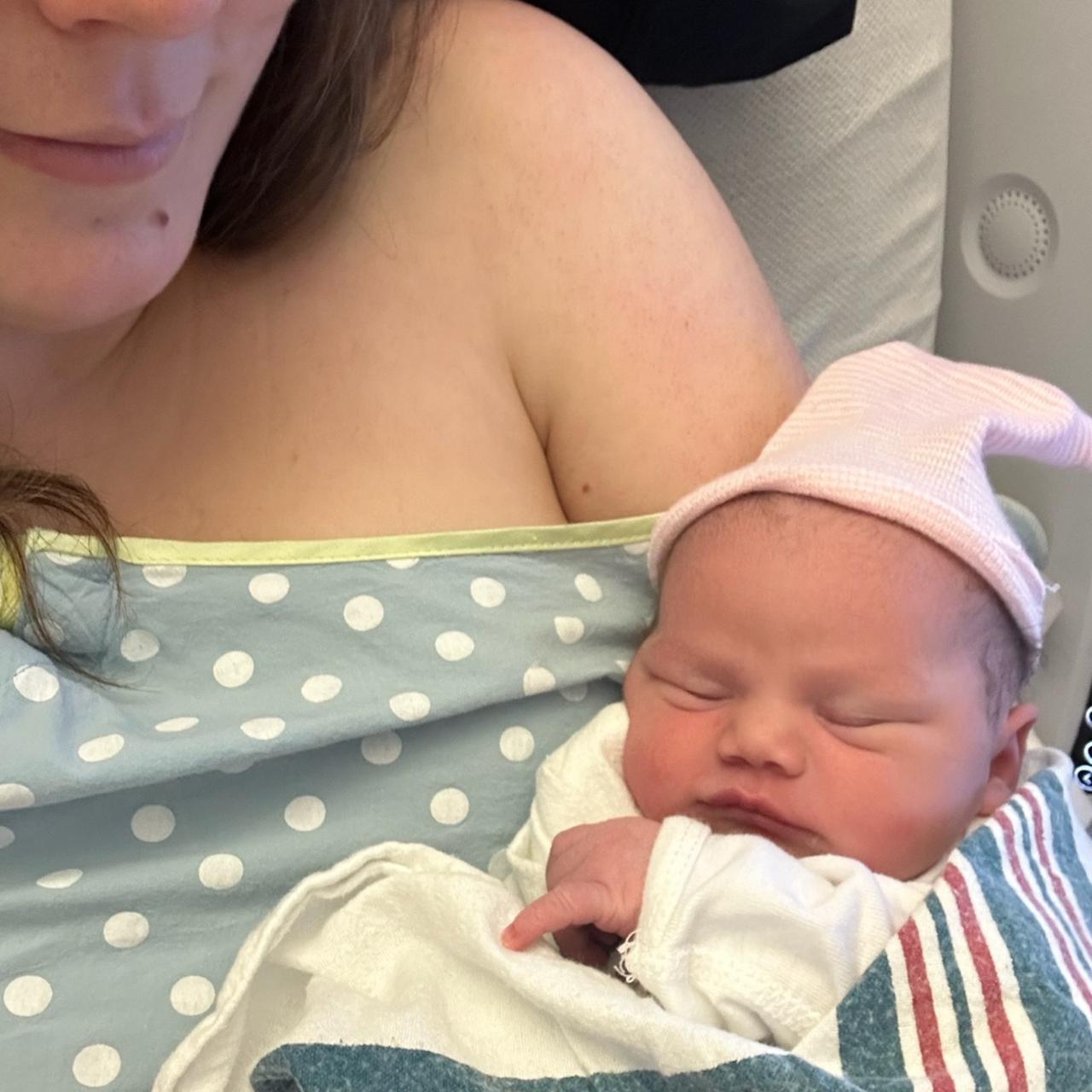
- Intended Parents
- 8 min
Bonding With Baby Born Through Surrogacy: 7 Proven Ways to Build Deep Attachment
Read Now


































































































































































































































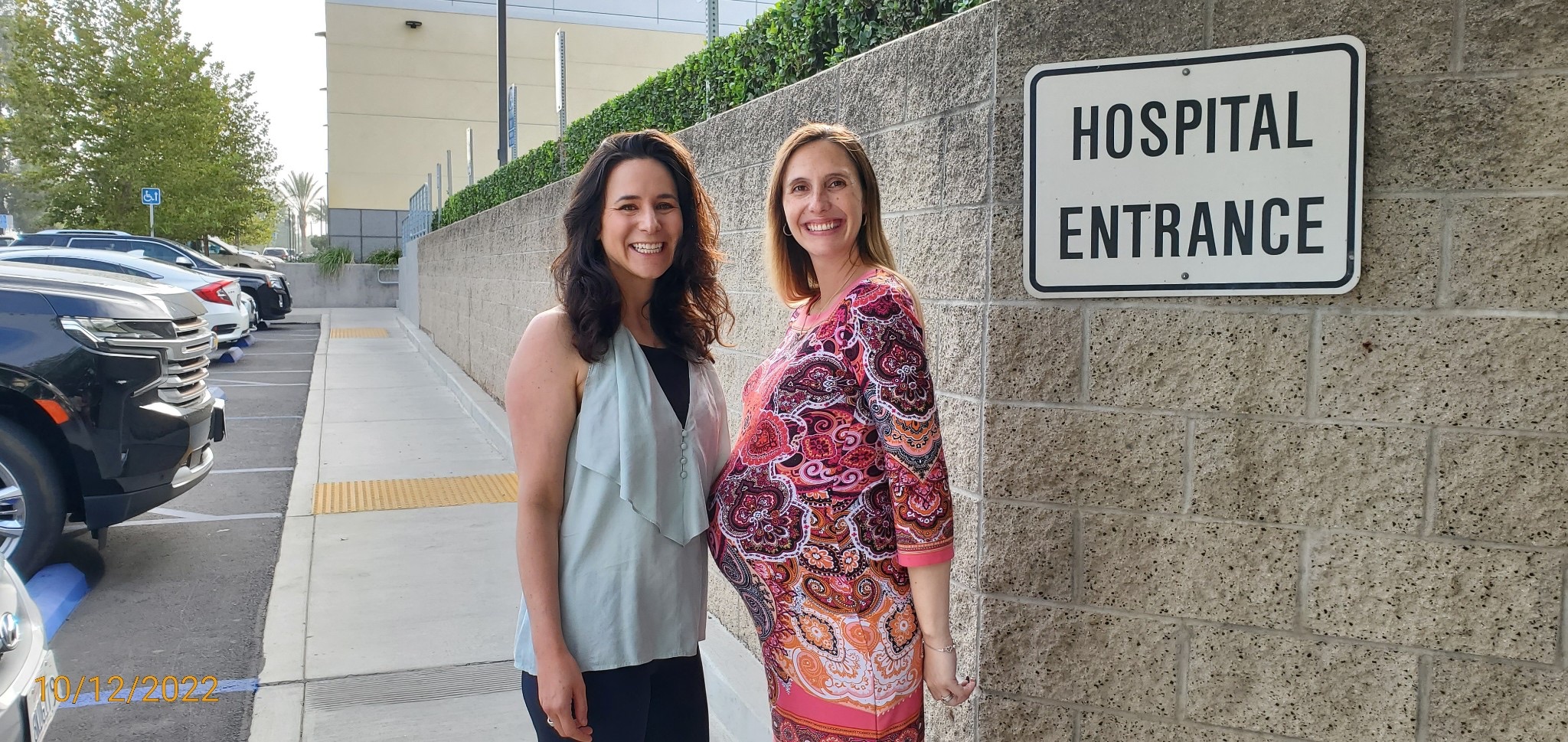






































- Intended Parents
- 8 min
Understanding the Anatomy Scan: A Guide for Intended Parents Using a Gestational Carrier
Read Now
- Intended Parents
- 8 min
What to Expect in the Second Trimester: A Guide for Intended Parents
Read Now


- Surrogates
- Intended Parents
- 8 min
Celebrating the Surrogacy Journey & Navigating Post-Birth Relationships
Read Now


- Surrogates
- Intended Parents
- 8 min
At-Home Pregnancy Tests After Embryo Transfer: Managing Expectations
Read Now


- Intended Parents
- 8 min
Key Considerations for Intended Parents: Defining Your Surrogacy Journey
Read Now


- Intended Parents
- Surrogates
- 8 min
Building a Positive Relationship Between Surrogates and Intended Parents
Read Now

- Surrogates
- Intended Parents
- 8 min
Emotional Challenges Surrogates and Intended Parents Face & How to Navigate Them
Read Now


