


- Intended Parents
- 8 min

IVF vs Surrogacy: Key Differences Every Intended Parent Should Know
Overview
Navigating the journey of starting a family can be both exciting and overwhelming. We understand that every journey is unique, and it’s natural to have questions about the options available to you. The key differences between IVF and surrogacy lie in their procedures, costs, and success rates, which are important factors for intended parents to consider.
In vitro fertilization (IVF) involves a series of medical steps designed to fertilize eggs and transfer embryos. Typically, the costs for IVF range between $12,000 and $30,000 per cycle. On the other hand, surrogacy presents additional complexities. It often entails higher costs, exceeding $100,000, but generally offers higher success rates due to the use of gestational carriers, which can range from 65% to 95%, depending on various factors.
As you navigate this journey, it’s important to weigh these options carefully. We are here to provide support and guidance tailored to your needs. If you have any further questions or need assistance, please don’t hesitate to reach out. Your path to parenthood is our priority, and we are committed to helping you every step of the way.
Introduction
Navigating the emotional landscape of infertility can be a challenging journey for intended parents, and understanding the complexities of family-building options is crucial. As you explore the pathways of In Vitro Fertilization (IVF) and surrogacy, it’s important to recognize that each offers unique processes, costs, and success rates that can significantly influence your journey to parenthood.
How do these methods truly differ? What should you consider when making such a life-altering decision? This article seeks to illuminate the key distinctions between IVF and surrogacy, equipping you with the knowledge needed to make informed choices as you embark on your personal journey toward creating a family.
We understand that every journey is unique, and we are here to support you every step of the way.
Define IVF and Surrogacy: Core Concepts and Terminology
In Vitro Fertilization (IVF) can be a significant step for couples facing the emotional challenges of infertility. This medical procedure involves fertilizing an egg with sperm outside the body, typically in a laboratory. It includes several key stages:
- Ovarian stimulation
- Egg retrieval
- Fertilization
- Transfer of the developing organism into the uterus
Many couples evaluate [IVF vs surrogacy](https://nascency.com/comparing-surrogate-agencies-in-the-usa-key-insights-for-parents), using either their own or donor gametes, to fulfill their dream of conceiving a child.
When exploring parenthood options, it’s essential to , where surrogacy involves a woman, known as the gestational carrier, who carries and delivers a baby for another individual or couple, referred to as the intended parents. There are two main categories of alternative reproduction:
- Traditional methods, where the carrier’s own eggs are utilized
- Gestational methods, where a fetus formed from the eggs and sperm of the intended parents or donors is implanted into the carrier’s uterus
Understanding these options is essential as you navigate your family-building journey. We recognize that every journey is unique, and we are here to support you every step of the way. As you explore these possibilities, know that you are not alone—many have walked this path and found joy and fulfillment. It’s important to remember that there are resources and communities available to help you through this process.

Compare Procedures: IVF vs. Surrogacy Steps and Processes
The journey of IVF begins with ovarian stimulation, a crucial step where fertility medications are administered to encourage the ovaries to produce multiple eggs. Once these eggs reach maturity, they are retrieved through a minor surgical procedure and fertilized with sperm in a laboratory setting. The resulting embryos are then carefully observed for growth, and after a few days, one or more healthy embryos are selected for transfer into the intended mother’s uterus.
In contrast, the path of alternative parenting, particularly when considering IVF vs surrogacy, involves several additional steps that can feel overwhelming. Initially, prospective parents must find an appropriate gestational carrier, often with the assistance of a matching agency. After selecting a candidate, comprehensive medical and psychological screenings are conducted to ensure her fitness for pregnancy. If gestational assistance is pursued, the discussion of IVF vs surrogacy includes utilizing IVF to create embryos, which are subsequently implanted in the carrier’s uterus. This intricate process requires careful coordination among the intended parents, the surrogate, and the fertility clinic, making it more complex than the comparison of IVF vs surrogacy alone.
Real-life examples highlight these differences: while IVF vs surrogacy indicates that IVF may present a straightforward series of medical procedures, using a surrogate involves navigating emotional and logistical challenges. These challenges include legal agreements and ongoing support for all parties involved. As fertility clinics emphasize, understanding these steps is crucial for intended parents to make informed decisions about their family-building journey.
As you navigate this journey, remember that you are not alone. We understand that every journey is unique, and we are here to support you every step of the way. Whether you are considering IVF or exploring surrogacy, our commitment is to provide you with the you need to create the family you desire.

Analyze Costs: Financial Implications of IVF and Surrogacy
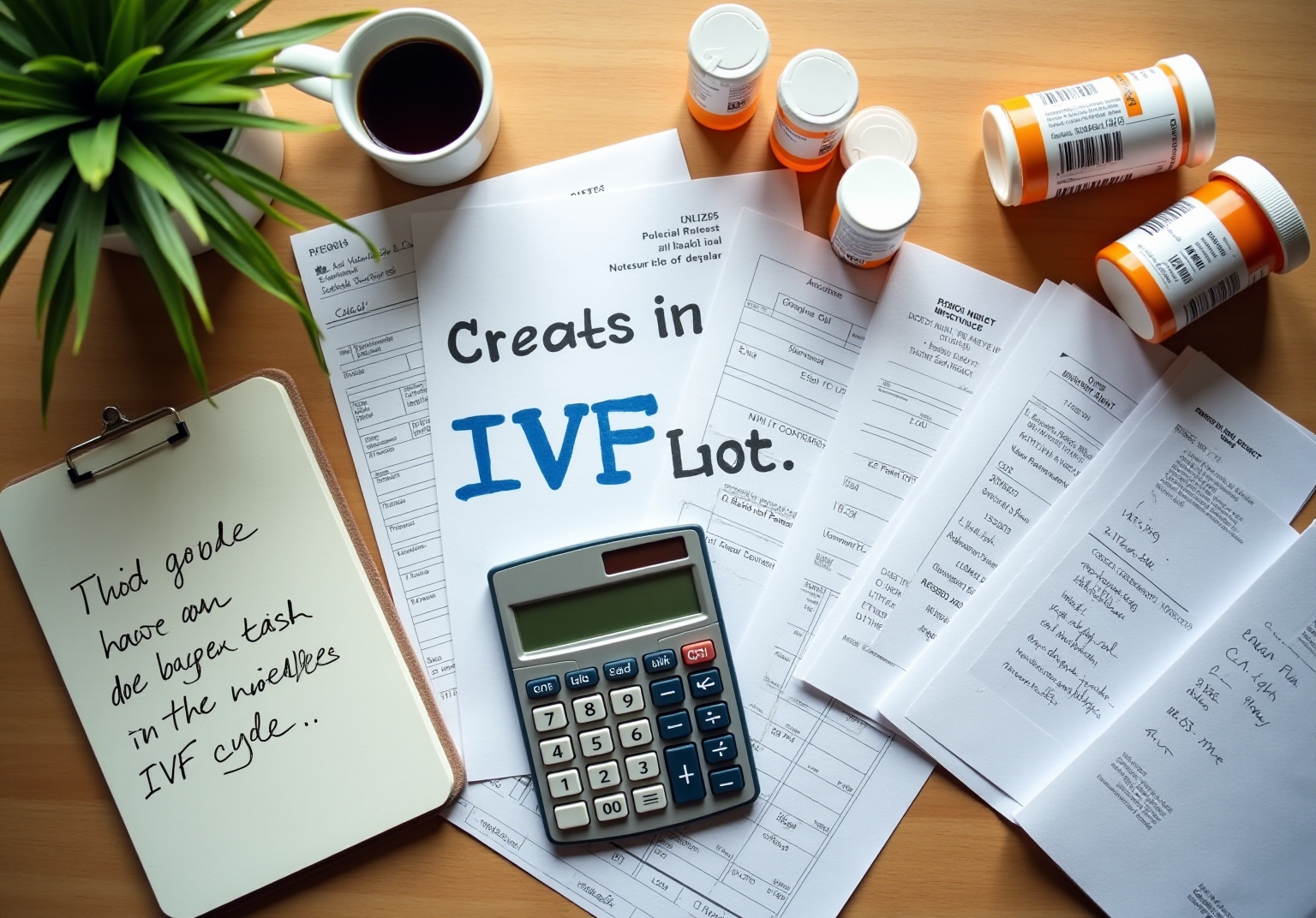
Navigating the journey of in vitro fertilization (IVF) can be both exciting and overwhelming. The cost typically ranges from $12,000 to $30,000 per cycle. This range can be influenced by various factors, such as your geographic location, the clinic’s reputation, and additional services like genetic testing. It’s important to recognize that many couples may need multiple cycles to achieve a successful pregnancy, which can significantly elevate the total expenditure.
In contrast, gestational agreements often incur much higher costs, frequently exceeding $100,000. This figure encompasses:
- Agency fees
- Compensation for the birth mother
- Medical expenses
- Legal fees
- Insurance
The intricate nature of the substitute parenting process can add to the financial burden, especially since IVF is required to create embryos. As you consider your options, it’s essential to factor in potential additional expenses, such as travel costs and maternity care for the surrogate.
Understanding these financial implications is crucial for making an informed choice regarding IVF vs surrogacy and alternative paths. We understand that every journey is unique, and we are here to . Remember, you are not alone in this; we are committed to helping you navigate these important decisions with care and compassion.

Evaluate Success Rates: IVF and Surrogacy Outcomes
Navigating the [success rates of IVF vs surrogacy](https://nascency.com/why-priyanka-chopra-chose-surrogacy-insights-for-intended-parents) can be an emotional journey, and it’s important to acknowledge the factors that influence these outcomes, such as the woman’s age and the quality of the fertilized egg. Generally, for women under 35, the average success rate for IVF hovers around 40-50% per cycle, with rates declining as age increases. Notably, when considering IVF vs surrogacy, gestational carrier arrangements can see success rates of approximately 65%, but it’s common for multiple cycles to be needed to achieve a successful pregnancy.
In contrast, when discussing IVF vs surrogacy, gestational carriers often experience higher success rates, with some studies indicating rates between 75-95% per embryo transfer, especially when utilizing high-quality embryos and healthy carriers. For women under 35, the pregnancy success rate can reach as high as 60%. The use of advanced reproductive technologies and the careful selection of carriers significantly contribute to these positive outcomes.
At Nascency, we recognize that understanding these success rates is crucial for intended parents. Our personalized surrogacy services are designed to provide you with dedicated support throughout your journey. As one intended parent shared, after facing challenges with another agency, they found Nascency to be a better fit, leading to a swift match with a local surrogate. This experience highlights our commitment to offering a . By understanding these success rates and receiving compassionate support, you can feel empowered as you explore your family-building options, particularly in the context of IVF vs surrogacy.

Conclusion
Understanding the differences between IVF and surrogacy is essential for intended parents as they navigate the complex landscape of family-building options. Each pathway presents unique processes, emotional challenges, and financial implications that can significantly impact the journey to parenthood. By recognizing these distinctions, you can make informed choices that align with your personal circumstances and aspirations.
This article has explored the core concepts of IVF and surrogacy, detailing the procedures involved, the financial considerations, and the success rates associated with each option. IVF is often viewed as a more straightforward medical process, while surrogacy introduces additional layers of complexity, including the necessity of finding a suitable gestational carrier and navigating legal agreements. The financial burden of surrogacy can also be considerably higher, making it essential for intended parents to weigh their options carefully.
Ultimately, the decision between IVF and surrogacy should be guided by your personal preferences, financial readiness, and the specific circumstances of your family. As you embark on this journey, it is vital to seek out resources and support systems that can provide guidance tailored to your needs. Remember, every journey to parenthood is unique, and understanding your options is the first step toward fulfilling your dream of creating a family.
Frequently Asked Questions
What is In Vitro Fertilization (IVF)?
In Vitro Fertilization (IVF) is a medical procedure that involves fertilizing an egg with sperm outside the body, typically in a laboratory. It consists of several key stages: ovarian stimulation, egg retrieval, fertilization, and transfer of the developing organism into the uterus.
What are the main stages of the IVF process?
The main stages of the IVF process include ovarian stimulation, egg retrieval, fertilization, and the transfer of the developing organism into the uterus.
What is surrogacy?
Surrogacy is an arrangement where a woman, known as the gestational carrier, carries and delivers a baby for another individual or couple, referred to as the intended parents.
What are the two main categories of surrogacy?
The two main categories of surrogacy are traditional methods, where the carrier’s own eggs are used, and gestational methods, where a fetus formed from the eggs and sperm of the intended parents or donors is implanted into the carrier’s uterus.
Why is it important to understand IVF and surrogacy options?
Understanding IVF and surrogacy options is essential for individuals and couples navigating their family-building journey, as it helps them make informed decisions about fulfilling their dream of conceiving a child.
What support is available for those exploring IVF and surrogacy?
There are resources and communities available to support individuals and couples as they explore IVF and surrogacy options, ensuring they do not feel alone in their journey.
List of Sources
- Define IVF and Surrogacy: Core Concepts and Terminology
- Surrogacy Is the New Battleground in Reproductive Freedom (https://cato.org/commentary/surrogacy-new-battleground-reproductive-freedom)
- calmatters.org (https://calmatters.org/health/2024/09/ivf-health-insurance-coverage-law)
- simplesurrogacy.com (https://simplesurrogacy.com/egg-donation-agency/the-future-of-ivf-and-emerging-trends-in-surrogacy)
- What are the 2025 Fertility Statistics I Need to Know About? (https://cofertility.com/family-learn/fertility-statistics)
- The Fraught Politics of IVF and Surrogacy (https://politico.com/newsletters/women-rule/2025/02/28/the-fraught-politics-of-ivf-and-surrogacy-00206665)
- Compare Procedures: IVF vs. Surrogacy Steps and Processes
- Surrogacy Success Rates – SENSIBLE Surrogacy Agency (https://sensiblesurrogacy.com/surrogacy-success-rates)
- What Is the Average Timeline Of A Complete Surrogate Journey From Start to Birth? (https://cledp.com/what-is-the-average-timeline-of-a-complete-surrogate-journey-from-start-to-birth)
- Gov. Whitmer Signs Bills Decriminalizing Surrogacy and Protecting IVF (https://michigan.gov/whitmer/news/press-releases/2024/04/01/whitmer-signs-bills-decriminalizing-surrogacy-and-protecting-ivf)
- Gestational Surrogacy: What Is It, Process, Risks & Benefits (https://my.clevelandclinic.org/health/articles/23186-gestational-surrogacy)
- Surrogacy Success rates | Surrogate Steps® (https://surrogatesteps.com/surrogacy-success-rates)
- Analyze Costs: Financial Implications of IVF and Surrogacy
- calmatters.org (https://calmatters.org/health/2024/09/ivf-health-insurance-coverage-law)
- segalco.com (https://segalco.com/consulting-insights/executive-order-on-ivf)
- aboutamazon.com (https://aboutamazon.com/news/workplace/amazon-fertility-benefits-for-employees)
- VA expands in vitro fertilization for Veterans – VA News (https://news.va.gov/press-room/va-expands-in-vitro-fertilization-for-veterans)
- How Much Does It Cost to Get Pregnant From IVF? – GoodRx (https://goodrx.com/conditions/fertility/ivf-costs?srsltid=AfmBOoqcRQdtwc3v9AvpP5yILxL38yEDuFDapGh6saw7HgLNIDHxttpH)
- Evaluate Success Rates: IVF and Surrogacy Outcomes
- ART Success Rates (https://cdc.gov/art/success-rates)
- What are the 2025 Fertility Statistics I Need to Know About? (https://cofertility.com/family-learn/fertility-statistics)
- Stats on Surrogacy | Florida Studio Theatre (https://floridastudiotheatre.org/news/stats-on-surrogacy)
- IVF Success Rates & Statistics | PFCLA IVF Clinic Blog (https://pfcla.com/blog/ivf-success-rates-statistics)

Fresh vs. Frozen Egg Donor Cycles: A clear guide for intended parents
Read Now

- Intended Parents
- 8 min
Bonding With Baby Born Through Surrogacy: 7 Proven Ways to Build Deep Attachment
Read Now








































































































































































































































































- Intended Parents
- 8 min
Understanding the Anatomy Scan: A Guide for Intended Parents Using a Gestational Carrier
Read Now
- Intended Parents
- 8 min
What to Expect in the Second Trimester: A Guide for Intended Parents
Read Now


- Surrogates
- Intended Parents
- 8 min
Celebrating the Surrogacy Journey & Navigating Post-Birth Relationships
Read Now


- Surrogates
- Intended Parents
- 8 min
At-Home Pregnancy Tests After Embryo Transfer: Managing Expectations
Read Now


- Intended Parents
- 8 min
Key Considerations for Intended Parents: Defining Your Surrogacy Journey
Read Now


- Intended Parents
- Surrogates
- 8 min
Building a Positive Relationship Between Surrogates and Intended Parents
Read Now

- Surrogates
- Intended Parents
- 8 min
Emotional Challenges Surrogates and Intended Parents Face & How to Navigate Them
Read Now


