


- Intended Parents
- 8 min

Can You Get Pregnant on Estradiol? Steps for Intended Parents
Overview
We understand that the journey to pregnancy can be filled with uncertainty and emotional challenges. It’s important to know that you can get pregnant on estradiol. This hormone plays a crucial role in regulating your menstrual cycle, facilitating ovulation, and preparing the uterine lining for embryo implantation.
Research shows that women with optimal estradiol levels during fertility treatments experience significantly higher pregnancy rates. This highlights the importance of monitoring hormone concentrations for successful conception. As you navigate this journey, remember that understanding your hormone levels can empower you in your path to parenthood.
We’re here to support you every step of the way. If you have questions or need guidance, don’t hesitate to reach out. Your journey is unique, and we’re committed to providing the personalized support you deserve.
Introduction
Estradiol plays a vital role in the female reproductive system, and it raises an important question for many: can one achieve pregnancy while on estradiol? We understand that this journey can be filled with uncertainty and concern. Many intended parents wonder how hormone therapy might affect their chances of conception. This guide aims to shed light on the intricate role of estradiol in fertility, revealing how its levels can significantly influence reproductive outcomes.
As you navigate this journey, it’s essential to consider the impact of estradiol on your fertility. With the stakes so high, you may feel overwhelmed by the challenge of balancing hormone therapy with your hopes for parenthood. What steps can you take to maximize your chances of a successful conception? We’re here to support you every step of the way, providing the information and resources you need to make informed decisions.
Remember, every journey is unique, and we’re committed to helping you find the path that’s right for you. Let’s explore how you can navigate this process with confidence and care.
Understand Estradiol and Its Role in Pregnancy
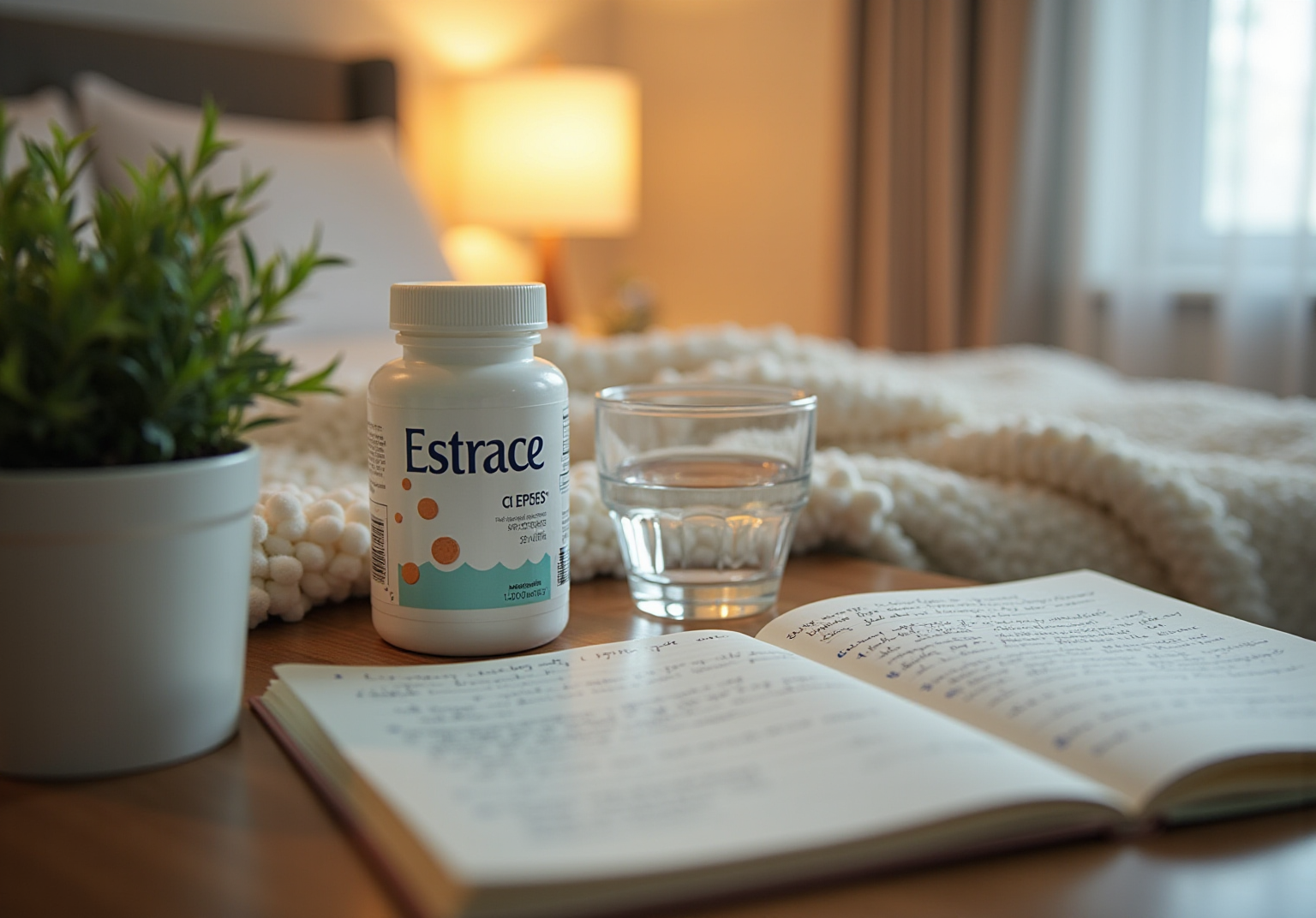
Estradiol, a vital form of estrogen that is primarily produced in the ovaries, plays an essential role in the female reproductive system, leading to the question of can you get pregnant on estradiol. This hormone is crucial for regulating the menstrual cycle, facilitating ovulation, and preparing the uterine lining for embryo implantation, which brings up the question: can you get pregnant on estradiol? As you navigate this journey, it’s important to understand that throughout gestation, estradiol helps sustain a nurturing uterine environment, supports fetal growth, and manages other hormones necessary for a successful term.
Research shows that maintaining ideal concentrations of estradiol raises the question of whether you can get pregnant on estradiol, which can significantly impact reproductive outcomes. For instance, studies indicate that women with hormone levels exceeding 201 pg/mL on the day of embryo transfer experience much higher clinical pregnancy rates—62.6% compared to just 2.6% for those with lower levels. This underscores the importance of monitoring hormone concentrations during reproductive therapies, especially in frozen embryo transfer (FET) cycles.
Estradiol also influences the menstrual cycle and ovulation, with levels fluctuating throughout. Typically, they rise during the follicular phase, peaking just before ovulation, which is crucial for releasing the egg. Low levels of this hormone can lead to poor oocyte quality and a decreased chance of successful implantation, prompting the inquiry of can you get pregnant on estradiol, while excessively high levels may negatively impact endometrial receptivity.
Personal stories and case studies further illustrate the hormone’s impact on fertility treatments. For example, a retrospective study found that elevated hormone levels during the fifth gestational week were associated with higher odds of preeclampsia, highlighting the intricate connection between hormone levels and maternal outcomes. Fertility experts emphasize that maintaining balanced estrogen levels is vital for enhancing reproductive well-being, leading to the question: can you get pregnant on estradiol and increasing the chances of successful conception.
In summary, understanding the complex role of estradiol in reproduction and pregnancy can clarify the question, can you get pregnant on estradiol, empowering intended parents to make informed choices during their reproductive journey. Whether you’re considering IVF or hormone replacement therapy, remember that you’re not alone. We’re here to support you every step of the way.

Prepare for Pregnancy: Essential Steps for Intended Parents on Estradiol
-
Consult with a Reproductive Health Expert: We understand that navigating your reproductive health can feel overwhelming. Arranging a meeting with a reproductive health expert can provide you with personalized guidance tailored to your unique circumstances. Discuss how hormones like estradiol are relevant to the question of can you get pregnant on estradiol. Remember, personalized advice and monitoring of hormone levels are crucial for optimizing your chances of conception.
-
Understand Your Cycle: Tracking your menstrual cycle is a powerful tool in identifying your fertile window. This knowledge can significantly enhance the timing of intercourse or treatments, increasing the likelihood of successful conception. As you navigate this journey, being in tune with your body can empower you.
-
Optimize Your Health: Focusing on a balanced diet, regular exercise, and maintaining a healthy weight can make a real difference. Research shows that these factors can improve overall fertility and raise the question of whether you can get pregnant on estradiol treatments. People with healthy habits are more likely to produce high-quality eggs and sperm, essential for successful childbirths. Did you know that the cumulative outcome of live births per egg retrieval cycle for women under 35 is 46.8%? This statistic underscores the importance of health optimization.
-
Consider Supplements: Have you thought about discussing prenatal vitamins or other supplements with your doctor? These can play a supportive role in preparing your body for pregnancy, helping you feel more confident in your journey.
-
Manage Stress: Engaging in stress-reducing activities like yoga, meditation, or counseling can be incredibly beneficial. Elevated stress can adversely affect fertility, so it’s important to include relaxation methods in your routine. Remember, taking care of your mental well-being is just as crucial as your physical health.
-
Follow Medication Protocols: If you’ve been prescribed estradiol, it’s essential to adhere strictly to the dosage and schedule provided by your healthcare provider, particularly if you are concerned about can you get pregnant on estradiol. This ensures optimal hormone levels for conception and gestation, which are vital for achieving successful outcomes. Fertility specialists emphasize that following prescribed protocols can significantly enhance the chances of a healthy pregnancy. As noted by the American Society for Reproductive Medicine (ASRM), maintaining a healthy lifestyle is crucial for improving fertility outcomes. We’re here to support you every step of the way.

Manage Challenges: Navigating Pregnancy Complications on Estradiol
-
Monitor Hormone Concentrations: It’s so important to regularly check your progesterone and other hormone levels as your healthcare provider recommends. This helps keep those hormone levels within a healthy range during your pregnancy. Research shows that both low and high hormone concentrations can increase the risk of miscarriage and complications like gestational diabetes. Remember, maintaining these hormones at ideal levels is crucial for a successful childbirth.
-
Be Aware of Symptoms: Understanding the signs of potential complications can be a game-changer. Look out for severe headaches, vision changes, or unusual swelling. If you notice anything concerning, don’t hesitate to reach out to your healthcare provider. Early intervention can make a significant difference in outcomes.
-
Stay Informed About Risks: Educating yourself about the risks associated with hormone levels during pregnancy is vital. Elevated or reduced hormone levels can lead to serious issues, including miscarriage or complications like gestational diabetes. Studies have shown that high estradiol levels can be linked to adverse outcomes, which leads to the question: can you get pregnant on estradiol, such as low birth weight and pre-eclampsia? By understanding these implications, you can make informed choices throughout your pregnancy journey.
-
Follow Up Appointments: Attending all your scheduled prenatal appointments is essential for monitoring the health of both you and your developing baby. These visits are key for early detection of any issues, allowing for timely management of potential complications.
-
Seek Support: Don’t underestimate the power of support. Engaging with support groups or counseling services can provide the emotional backing you need. The journey can feel overwhelming at times, and having a network of people who understand can offer comfort and guidance. Connecting with others who share similar experiences can provide valuable insights.
-
Adjust Lifestyle as Needed: Be open to making lifestyle changes based on your healthcare provider’s recommendations. This might include dietary adjustments or increasing physical activity to create a healthy environment for your baby. As healthcare providers often emphasize, these changes can significantly contribute to better pregnancy outcomes.

Conclusion
Understanding the role of estradiol in pregnancy is crucial for intended parents navigating their reproductive journey. We recognize that this path can be filled with uncertainty and hope. Estradiol not only regulates the menstrual cycle and supports ovulation but also creates a nurturing environment for embryo implantation and fetal development. The question of whether one can get pregnant while on estradiol is significant, as maintaining optimal hormone levels can greatly enhance the chances of conception and a successful pregnancy.
As you navigate this journey, it’s important to:
- Monitor estradiol levels
- Understand your menstrual cycle
- Optimize your health through lifestyle choices
Consulting with reproductive health experts and adhering to prescribed medication protocols are essential steps for those considering fertility treatments. Additionally, being aware of potential pregnancy complications linked to hormone levels can empower you to take proactive measures for your health and the well-being of your future child.
As intended parents prepare for the journey ahead, it is vital to remain informed and proactive. Taking charge of your reproductive health by managing hormone levels, seeking support, and making healthy lifestyle choices can significantly impact the likelihood of a successful pregnancy. Embracing this knowledge not only fosters confidence but also creates a supportive environment for bringing new life into the world. Remember, every journey is unique, and we are here to support you every step of the way.
Frequently Asked Questions
What is estradiol and why is it important in pregnancy?
Estradiol is a vital form of estrogen produced primarily in the ovaries. It plays a crucial role in regulating the menstrual cycle, facilitating ovulation, and preparing the uterine lining for embryo implantation, which is essential for a successful pregnancy.
Can you get pregnant while on estradiol?
Yes, you can get pregnant while on estradiol. Maintaining ideal concentrations of estradiol is important for reproductive outcomes, as higher hormone levels can significantly increase clinical pregnancy rates.
How does estradiol affect reproductive therapies?
Estradiol levels are important during reproductive therapies, especially in frozen embryo transfer (FET) cycles. Studies show that women with hormone levels exceeding 201 pg/mL on the day of embryo transfer have much higher clinical pregnancy rates compared to those with lower levels.
How do estradiol levels fluctuate during the menstrual cycle?
Estradiol levels typically rise during the follicular phase of the menstrual cycle, peaking just before ovulation, which is crucial for the release of the egg. Low levels can lead to poor oocyte quality and decreased chances of successful implantation.
What happens if estradiol levels are too high or too low?
Low estradiol levels can negatively affect oocyte quality and implantation chances, while excessively high levels may impact endometrial receptivity, which can hinder the chances of pregnancy.
How does estradiol influence maternal outcomes during pregnancy?
Elevated estradiol levels during the fifth gestational week have been associated with higher odds of preeclampsia, indicating the importance of balanced hormone levels for maternal health.
What should individuals consider when undergoing fertility treatments?
It is important to maintain balanced estrogen levels during fertility treatments to enhance reproductive well-being and increase the chances of successful conception.
List of Sources
- Understand Estradiol and Its Role in Pregnancy
- Study suggests earlier start of hormone therapy optimizes long-term health outcomes (https://news-medical.net/news/20251021/Study-suggests-earlier-start-of-hormone-therapy-optimizes-long-term-health-outcomes.aspx)
- Elevated serum estradiol levels on embryo transfer day predict higher pregnancy success in HRT-FET cycles – Reproductive Biology and Endocrinology (https://rbej.biomedcentral.com/articles/10.1186/s12958-025-01457-1)
- Association between estradiol levels in early pregnancy and risk of preeclampsia after frozen embryo transfer – PMC (https://pmc.ncbi.nlm.nih.gov/articles/PMC10545838)
- What Your Estradiol Levels Chart Reveals: Key Indicators (https://hormona.io/blog/estradiol-levels-chart)
- Effect of hCG day’s estradiol levels on pregnancy outcomes following GnRH antagonist protocol: a retrospective study of 3192 fresh embryo transfer cycles – BMC Pregnancy and Childbirth (https://bmcpregnancychildbirth.biomedcentral.com/articles/10.1186/s12884-025-07929-x)
- Prepare for Pregnancy: Essential Steps for Intended Parents on Estradiol
- Surrogacy Success Rates: Numbers Really Mean for Your Family (https://surrogacy4all.com/education-surrogacy-success-rates-demystified)
- Surrogacy Success Rates: Gestational Carrier & Success Factors (https://labryofertility.com/blog/surrogacy-success-rate)
- US IVF usage increases in 2023, leads to over 95,000 babies born (https://asrm.org/news-and-events/asrm-news/press-releasesbulletins/us-ivf-usage-increases-in-2023-leads-to-over-95000-babies-born)
- 99.5% Surrogacy Success Rate | Hatch Fertility (https://hatch.us/surrogacy-success-rates)
- Statistics in Surrogacy: Trends and Insights (https://brightfuturesfamilies.com/blog/2024/4/16/statistics-in-surrogacy)
- Manage Challenges: Navigating Pregnancy Complications on Estradiol
- Frontiers | Restoration of serum estradiol and reduced incidence of miscarriage in patients with low serum estradiol during pregnancy: a retrospective cohort study using a multifactorial protocol including DHEA (https://frontiersin.org/journals/reproductive-health/articles/10.3389/frph.2023.1321284/full)
- Effect of a High Estrogen Level in Early Pregnancy on the Development and Behavior of Marmoset Offspring – PMC (https://pmc.ncbi.nlm.nih.gov/articles/PMC9583300)
- The pathophysiological role of estrogens in the initial stages of pregnancy: molecular mechanisms and clinical implications for pregnancy outcome from the periconceptional period to end of the first trimester – PMC (https://pmc.ncbi.nlm.nih.gov/articles/PMC10628507)
- Chemistry and Health: A Multidimensional Approach (https://mdpi.com/2673-4079/6/1/2)

Fresh vs. Frozen Egg Donor Cycles: A clear guide for intended parents
Read Now
- Intended Parents
- 8 min
Bonding With Baby Born Through Surrogacy: 7 Proven Ways to Build Deep Attachment
Read Now


























































































































































































































































- Intended Parents
- 8 min
Understanding the Anatomy Scan: A Guide for Intended Parents Using a Gestational Carrier
Read Now
- Intended Parents
- 8 min
What to Expect in the Second Trimester: A Guide for Intended Parents
Read Now


- Surrogates
- Intended Parents
- 8 min
Celebrating the Surrogacy Journey & Navigating Post-Birth Relationships
Read Now


- Surrogates
- Intended Parents
- 8 min
At-Home Pregnancy Tests After Embryo Transfer: Managing Expectations
Read Now


- Intended Parents
- 8 min
Key Considerations for Intended Parents: Defining Your Surrogacy Journey
Read Now


- Intended Parents
- Surrogates
- 8 min
Building a Positive Relationship Between Surrogates and Intended Parents
Read Now

- Surrogates
- Intended Parents
- 8 min
Emotional Challenges Surrogates and Intended Parents Face & How to Navigate Them
Read Now


