


- 8 min

If Your Tubes Are Tied, Can You Do IVF? A Step-by-Step Guide
Introduction
In vitro fertilization (IVF) offers a compassionate solution for women who wish to conceive after having undergone tubal ligation. If you’re feeling uncertain or anxious about your options, know that you’re not alone. Many women find themselves in similar situations, seeking hope where traditional methods may not suffice.
This guide aims to illuminate the intricacies of IVF, showcasing its ability to navigate the challenges posed by blocked or altered fallopian tubes. As you ponder whether IVF is a viable path for you, it’s essential to understand not just the procedures involved, but also the eligibility criteria and financial considerations that accompany this journey.
What steps can you take to navigate the complexities of IVF and enhance your chances of success? Together, we can explore the possibilities and empower you to make informed decisions about your reproductive health.
Understand IVF and Its Role After Tubal Ligation
In vitro fertilization (IVF) is a compassionate medical procedure that opens doors for women to conceive, even when their fallopian tubes are blocked or have been surgically altered, like after a ligation. This process involves retrieving eggs directly from the ovaries, fertilizing them in a lab, and then implanting the resulting embryos into the uterus. By completely bypassing the fallopian tubes, IVF provides a hopeful path to pregnancy without the need for complex and uncertain surgical reversals.
For many women, the question of if your tubes are tied can you do IVF arises, as it represents a beacon of hope in helping them achieve their dreams of building a family. Recent advancements in IVF technology have made it even more effective, making it a preferred choice for those facing reproductive challenges. Research indicates that if your tubes are tied can you do IVF, as it can yield successful outcomes for women with a history of fallopian tube ligation, with many sharing positive experiences and successful pregnancies.
Fertility specialists stress the importance of understanding the IVF process, especially for women with blocked fallopian tubes. They highlight that IVF not only circumvents the limitations imposed by fallopian tube ligation but also offers a tailored approach to reproductive treatment. As one expert shared, “IVF allows us to work directly with the eggs and sperm, ensuring that the best embryos are selected for transfer, which can significantly enhance the chances of conception.”
It’s important to remember that if your tubes are tied can you do IVF, which is recognized as a highly effective option for women looking to conceive after fallopian tube ligation. This streamlined process prioritizes their unique reproductive needs. With ongoing advancements in reproductive technology, the prospects for successful pregnancies continue to improve, making IVF a vital option for many women on their journey to conception.

Evaluate Your Eligibility for IVF: Key Considerations
Before you embark on the journey of IVF, it’s important to assess your eligibility and understand if your tubes are tied can you do IVF. We understand that this can be a challenging time, and acknowledging your feelings is the first step. Here are some key considerations to keep in mind:
-
Age: If you’re under 35, you generally have higher success rates with IVF-studies show that success rates can reach up to 50% for this age group. However, as age increases, especially after 35, the quality and quantity of eggs may decline, which can significantly impact outcomes. Fertility specialists often emphasize that age is the most critical factor affecting IVF success rates, with a notable decrease in chances for women over 40.
-
Health Conditions: Conditions like endometriosis, uterine fibroids, or hormonal imbalances can affect your ability to conceive. A thorough medical evaluation is essential to identify any underlying issues that might hinder your chances of success. Remember, understanding your health is a vital part of this journey.
-
Ovarian Reserve: Assessing your ovarian reserve through tests such as ultrasounds or blood tests can provide valuable insights into the health of your ovaries and the number of viable eggs available for retrieval. Knowing your ovarian reserve is crucial for setting realistic expectations regarding IVF outcomes.
-
If you’ve faced infertility before your tubal ligation, it raises the question of if your tubes are tied can you do IVF, which may influence your success rates. Consulting with a reproductive health expert can help clarify your specific situation and guide you through the process with compassion and understanding.
-
Insurance Coverage: In California, the new SB 729 law mandates that most insurance plans cover infertility diagnosis and treatment, including IVF, starting January 1, 2026. It’s a good idea to check with your employer’s human resources department to understand your health plan coverage for IVF.
By understanding these factors and the implications of the new law, you can make informed decisions about your reproductive journey. Remember, you’re not alone in this; we’re here to support you every step of the way.

Explore IVF Procedures and Alternatives to Tubal Reversal
Navigating the journey of conception can be both hopeful and daunting. If you’re considering IVF, it’s important to understand the essential steps involved in this process:
- Ovarian Stimulation: Hormonal medications are given to stimulate your ovaries, encouraging the production of multiple eggs. This step is crucial as it sets the foundation for your journey.
- Egg Retrieval: Once your eggs are mature, a minor surgical procedure is performed to gently extract them from your ovaries. This is a quick process, and you’ll be closely monitored throughout.
- Fertilization: The retrieved eggs are combined with sperm in a laboratory, where fertilization takes place. This is a significant moment, as it marks the beginning of potential new life.
- Embryo Culture: The fertilized eggs, now embryos, are carefully monitored for development over several days. This nurturing environment is vital for their growth.
- Embryo Transfer: Finally, one or more healthy embryos are selected and transferred into your uterus, where they may implant and lead to pregnancy. This step is filled with hope and anticipation.
While some may consider fallopian tube reversal surgery, it’s not suitable for everyone, especially those facing additional reproductive challenges. IVF is often preferred due to its higher success rates-pregnancy rates for women around 38 can reach up to 50%-and its less invasive nature compared to surgical options. Fertility specialists frequently recommend IVF as a more effective route, particularly since the condition of the tubes can only be assessed internally. Many patients may feel disheartened if their tubes cannot be repaired, making IVF a more reliable choice.
It’s also worth noting that only 1 in 4 employers currently provide reproductive benefits, which can impact the financial aspects of IVF treatment. However, IVF offers a dependable and effective path for those considering if your tubes are tied can you do IVF to conceive. With the upcoming introduction of the TrumpRx.gov platform in January 2026, which will provide lower-cost reproduction medications, there’s even more support on the horizon.
We understand that every journey is unique, and we’re here to support you every step of the way.

Assess the Financial Implications of IVF After Tubal Ligation
Navigating the financial landscape of IVF can feel overwhelming, and it’s completely understandable to have concerns about the costs involved. Let’s break down some key aspects that can help you prepare for this journey.
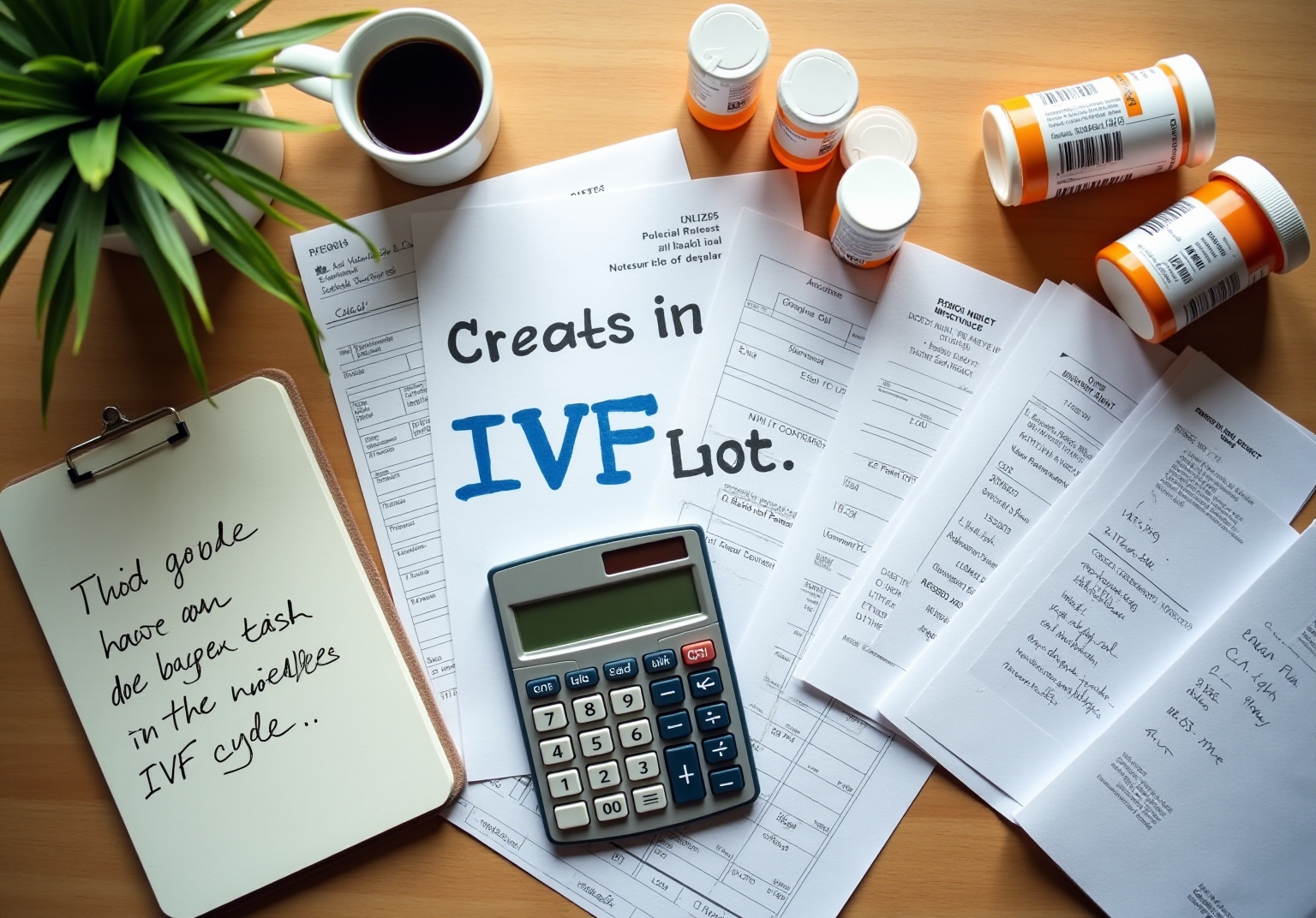
Cost of IVF: In the United States, the average cost of a single IVF cycle typically ranges from $20,000 to $25,000, with some clinics charging upwards of $30,000. It’s important to note that this estimate doesn’t include medications, which can add an additional $3,000 to over $7,000 per cycle, depending on the specific treatment protocol and medications required. Understanding these costs can help you plan better.
Insurance Coverage: The coverage for IVF treatments can vary significantly depending on your state and insurance provider. Approximately 25% of Americans have insurance that covers IVF, but many may need to meet deductibles or pay copays before benefits kick in. Some states, like Illinois and Arkansas, mandate coverage for IVF under certain conditions, while others may not provide comprehensive support. It’s crucial to thoroughly review your health insurance policy to understand what is covered and any limitations that may apply.
Financial Assistance: You’re not alone in facing these financial challenges. Numerous organizations, such as the BabyQuest Foundation, offer grants and financial support for reproductive treatments. Researching local resources can uncover additional options that may alleviate some of the financial burdens associated with IVF. As Alise Powell noted, “Cost is the No.1 barrier preventing people from accessing care,” which highlights the importance of seeking help.
Payment Plans: Many fertility clinics understand the financial strain and offer flexible payment plans or financing options to help manage the costs of treatment. This can make IVF more accessible, allowing you to spread out expenses over time rather than facing a large upfront payment.
By assessing these financial aspects, you can better prepare for the investment required for IVF and explore potential avenues for assistance. Remember, every journey is unique, and there are resources available to support you along the way.

Conclusion
In summary, we understand that considering IVF can be a deeply emotional journey for women who have undergone tubal ligation and wish to conceive. This procedure offers a hopeful option by bypassing the fallopian tubes entirely, allowing for the retrieval and fertilization of eggs, ultimately leading to embryo transfer without the complications of surgical reversals. With advancements in reproductive technology, IVF has become increasingly effective, providing many women with the chance to realize their dreams of parenthood.
As you navigate this journey, it’s important to consider key factors such as:
- Age
- Health conditions
- Ovarian reserve
- Insurance coverage
Each of these elements plays a crucial role in determining eligibility and potential success rates. Additionally, the financial implications of IVF can be significant, but remember that assistance and payment plans are often available to help ease the burden.
Ultimately, the path to parenthood is unique for everyone and can be filled with both challenges and triumphs. If you’re contemplating whether IVF is the right choice after tubal ligation, we encourage you to seek guidance from fertility specialists and explore all available resources. Embracing this path not only opens doors to new possibilities but also empowers you to take control of your reproductive health and future.
Frequently Asked Questions
What is in vitro fertilization (IVF)?
IVF is a medical procedure that allows women to conceive by retrieving eggs from the ovaries, fertilizing them in a lab, and implanting the resulting embryos into the uterus, bypassing the fallopian tubes.
Can women with tubal ligation undergo IVF?
Yes, women with tubal ligation can undergo IVF, as the procedure circumvents the need for functional fallopian tubes.
How does IVF help women with blocked or altered fallopian tubes?
IVF helps by directly retrieving eggs and fertilizing them outside the body, allowing for implantation without relying on the fallopian tubes.
What advancements have been made in IVF technology?
Recent advancements in IVF technology have increased its effectiveness, making it a preferred choice for those facing reproductive challenges.
What do fertility specialists say about IVF for women with tubal ligation?
Fertility specialists emphasize that IVF offers a tailored approach to reproductive treatment and enhances the chances of conception by allowing for direct work with eggs and sperm.
What are the prospects for successful pregnancies with IVF after tubal ligation?
The prospects for successful pregnancies with IVF continue to improve due to ongoing advancements in reproductive technology, making it a vital option for many women.
List of Sources
- Understand IVF and Its Role After Tubal Ligation
- Millions of Californians gain access to in vitro fertilization under new law (https://calmatters.org/health/2025/12/ivf-fertility-mandate-new-law)
- IVF After Tubal Ligation | CNY Fertility (https://cnyfertility.com/ivf-after-tubal-ligation)
- Chances of Getting Pregnant After Tubal Ligation | CCRM Fertility Clinic (https://ccrmivf.com/fertility/tubal-ligation-infertility)
- The Society of Reproductive Surgeons Warns Against Limiting Access to IVF Under the Guise of “Restorative” Care (https://asrm.org/news-and-events/asrm-news/press-releasesbulletins/srs-warns-against-limiting-access-to-ivf-under-the-guise-of-restorative-care)
- Evaluate Your Eligibility for IVF: Key Considerations
- California’s SB 729 Mandate and Fertility Treatments: What to Know | CCRM Fertility (https://ccrmivf.com/blog/california-sb729-fertility-coverage)
- Starting January, large insurers in California must cover fertility treatments like IVF (https://laist.com/news/education/early-childhood-education-pre-k/starting-january-large-insurers-in-california-must-cover-fertility-treatments)
- California Senate Bill 729: IVF Insurance Coverage Expands in 2026 (https://shadygrovefertility.com/article/california-senate-bill-729)
- Millions of Californians gain access to in vitro fertilization under new law (https://calmatters.org/health/2025/12/ivf-fertility-mandate-new-law)
- What California Senate Bill 729 means for your fertility journey (https://rscbayarea.com/article/what-california-senate-bill-729-means-for-your-fertility-journey)
- Explore IVF Procedures and Alternatives to Tubal Reversal
- Tubal Reversal or IVF? – Piedmont Reproductive (https://pregonline.com/blog/tubal-reversal-or-ivf)
- Fertility Success Rates – IVF, IUI, & More | CCRM Fertility (https://ccrmivf.com/become-a-patient/fertility-success-rates)
- Evaluating the Trump Administration’s Initiative on IVF (https://asrm.org/advocacy-and-policy/fact-sheets-and-one-pagers/evaluating-the-trump-administrations-initiative-on-ivf)
- Understanding the White House Executive Order on IVF (https://resolve.org/advocacy/our-issues/understanding-the-white-house-executive-order-on-ivf)
- Trump’s IVF Executive Order: What You Need to Know [Updated Oct. 2025] – The Prelude Network (https://preludefertility.com/blog/trumps-ivf-executive-order-what-you-need-to-know)
- Assess the Financial Implications of IVF After Tubal Ligation
- Millions of Californians gain access to in vitro fertilization under new law (https://calmatters.org/health/2025/12/ivf-fertility-mandate-new-law)
- Will Trump’s Announcement Expand Access to IVF? | KFF (https://kff.org/womens-health-policy/will-trumps-announcement-expand-access-to-ivf)
- Insurance Coverage by State | RESOLVE: The National Infertility Association (https://resolve.org/learn/financial-resources/insurance-coverage/insurance-coverage-by-state)
- IVF Cost 2025: Breakdown of Prices, Add-Ons & How to Save (https://cnyfertility.com/ivf-cost)
- Trump, Merck KGaA announce deal to cut some IVF drug prices (https://reuters.com/business/healthcare-pharmaceuticals/white-house-set-announce-proposal-seeking-make-ivf-more-accessible-nyt-reports-2025-10-16)

















































































































































































































































































- Intended Parents
- 8 min
Understanding the Anatomy Scan: A Guide for Intended Parents Using a Gestational Carrier
Read Now
- Intended Parents
- 8 min
What to Expect in the Second Trimester: A Guide for Intended Parents
Read Now


- Surrogates
- Intended Parents
- 8 min
Celebrating the Surrogacy Journey & Navigating Post-Birth Relationships
Read Now


- Surrogates
- Intended Parents
- 8 min
At-Home Pregnancy Tests After Embryo Transfer: Managing Expectations
Read Now


- Intended Parents
- 8 min
Key Considerations for Intended Parents: Defining Your Surrogacy Journey
Read Now


- Intended Parents
- Surrogates
- 8 min
Building a Positive Relationship Between Surrogates and Intended Parents
Read Now

- Surrogates
- Intended Parents
- 8 min
Emotional Challenges Surrogates and Intended Parents Face & How to Navigate Them
Read Now


