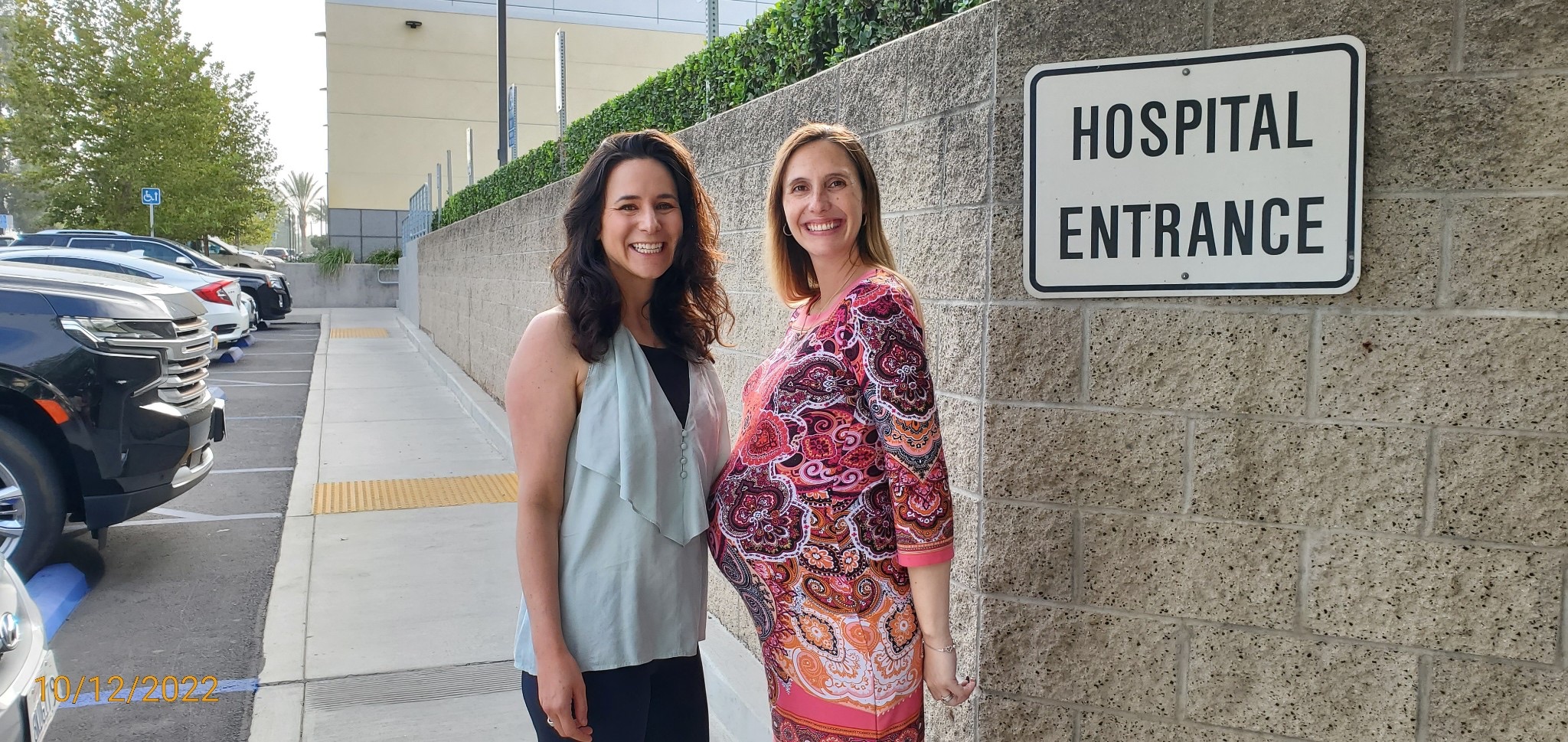
Surrogacy and Marriage: Nobody tells you that surrogacy will change your marriage.
They tell you the process is long and uncertain and expensive. They tell you to be patient with timelines and flexible with expectations. But almost nobody sits down with a couple before they begin and says: this is going to test your relationship in ways that are specific, predictable, and worth preparing for right now.
This blog does that.
What follows is an honest, detailed look at what surrogacy actually does to a marriage across each phase of the journey. The intimacy shifts. The communication demands. The financial pressure. The way grief and hope can exist in the same room and create completely different emotional weather for two people who love each other. And specifically, what the couples who come through this process closest actually do differently.
Before the Journey Begins: The Weight of Getting Here
Most couples who pursue surrogacy arrive at the decision after years of something else first. Failed IVF cycles. Pregnancy loss. A medical diagnosis that made pregnancy impossible. The specific grief of secondary infertility. Or the family-building path of a same-sex couple navigating a world that still treats their route as exceptional.
By the time surrogacy becomes the plan, many couples have already been through something that tested them deeply. They have already sat in waiting rooms together. They have already received bad news together. They have already managed the misery of hope followed by loss, sometimes repeatedly.
According to Phoenix Health, infertility significantly affects mental health, with depression affecting between 25 and 60 percent of couples navigating fertility challenges, along with chronic anxiety, grief, and strained relationships. The couples who begin a surrogacy journey are frequently not starting from a place of ease. They are starting from a place of accumulated emotional weight, and surrogacy adds a new layer of complexity on top of it rather than replacing what came before.
According to GestLife Surrogacy, entering a surrogacy journey may restore hope while simultaneously reactivating vulnerability. Excitement often coexists with fear. Intended parents may oscillate between optimism and anticipatory anxiety, particularly after previous experiences of reproductive trauma.
Two people can be in the same marriage, making the same decision, and carrying completely different emotional configurations into it. One partner may feel relief that there is finally a clear path forward. The other may feel grief about the path that was not possible. Both responses are valid. Neither partner is wrong. And if they do not talk about this directly before the journey begins, that gap will widen as the process unfolds.
To understand how the surrogacy process itself is structured from the beginning, read our complete guide: The Surrogacy Process Explained.
Phase One: Matching and Waiting
The early phase of a surrogacy journey involves an enormous amount of administration, legal work, medical coordination, and waiting. It also reveals the first significant difference in how each partner processes the experience.
One partner often becomes the primary coordinator. They track timelines, manage communication with the agency, read every document, and carry the logistical weight of the process constantly. The other partner engages deeply when asked but does not live in the process the same way.
This is not a problem. It is a pattern. And like most patterns, it only becomes a problem when it goes unnamed.
The coordinator partner can start to feel alone in the weight of it. The other partner can start to feel shut out or managed rather than included. Two people fully committed to the same goal can gradually stop feeling like they are in it together because they are experiencing it so differently.
According to mother-surrogate.com, couples who maintain space for their relationship outside the context of the surrogacy program, including shared time, everyday conversations, and physical intimacy, go through this journey with significantly better outcomes than those who allow the process to consume every interaction.
The practical risk in this phase is that every conversation becomes a surrogacy update. Dinner becomes a status report. The couple stops being a couple and starts being a project team. This is understandable. It is also corrosive over time.
What the strongest couples do differently here: They designate specific times to discuss surrogacy logistics and protect other time as surrogacy-free. This sounds simple and is difficult to maintain. But couples who create this boundary early are much less likely to look up six months later and realize they have not had a conversation that was not about the process.
Phase Two: The Medical Process and Intimacy Shifts
This is the phase nobody talks about enough.
Once the medical process begins, physical intimacy between the couple undergoes mandatory changes. Leading up to the embryo transfer, fertility medications create the possibility of an unintended pregnancy, and couples are required to abstain from sexual activity for a period that can extend to a month or longer. According to Surrogate.com, this required abstinence is one of the most commonly underestimated impacts of surrogacy on a couple’s relationship.
For couples who have already been navigating infertility, physical intimacy may already carry complicated associations. Sex connected to reproduction, timed and tracked and often stripped of spontaneity, can become something other than connection over time. The mandatory abstinence period is another chapter in a story that has already been going on for a long time.
According to KindestMind, a 2016 study by Nicolás Ruiz-Robledillo and Luis Moya Albiol identified several significant emotional stressors for intended parents during the surrogacy process, including maintaining a trusting connection with the surrogate, navigating external social pressure, and managing the anxiety of a process largely outside their control. These stressors do not live in a separate compartment from the marriage. They land directly inside it.
There is also the experience of watching the surrogate’s pregnancy unfold while not being the ones who are pregnant. For couples where one or both partners had hoped to carry the pregnancy, this period carries a particular grief. According to IVF Babble, it is essential for intended parents to mourn the loss of the pregnancy experience they will not carry in order to make space for the different joys surrogacy can bring. Partners often grieve this at different rates and in different ways.
For a clear understanding of what the IVF and transfer process involves during this phase, read: IVF 101 for Surrogates.
What the strongest couples do differently here: They talk about the physical disconnection directly instead of waiting for it to resolve itself. They find ways to rebuild non-reproductive intimacy, closeness that is not tied to fertility or outcomes. And when one partner is grieving the pregnancy experience in a way the other has moved past, they create space for that grief rather than rushing each other toward a shared emotional position.
Phase Three: The Pregnancy
The nine months of the surrogate’s pregnancy are emotionally complex in ways that most surrogacy content addresses only in general terms.
The intended parents are in an ongoing relationship with a third person who is carrying their child. That relationship has its own communication demands, its own moments of closeness and tension. And the couple’s relationship with each other is inevitably shaped by how the surrogate relationship is going.
When things are warm and well-communicated with the surrogate, the intended parents tend to feel more connected to each other too. When there is tension or miscommunication in the surrogate relationship, it bleeds directly into the marriage.
According to the Seleni Institute, surrogacy is more than a medical or legal arrangement. It is a deeply human journey that thrives on trust, respect, and communication. The quality of the relationship between intended parents and their surrogate shapes the emotional environment the couple is living in for the duration of the pregnancy.
According to Rachel Goldberg Therapy, financial pressure during surrogacy can strain the couple’s relationship, their lifestyle, and their mental health. Couples may be borrowing from family, delaying significant life goals, or carrying quiet anxiety about money that nobody in their immediate circle fully understands. Financial stress and relationship stress compound each other. They are not separate experiences.
For what to expect during the pregnancy from a medical and practical perspective, read: Pregnancy Expectations for Surrogates.
What the strongest couples do differently here: They have a designated approach to surrogate communication decisions and make significant decisions together. They have a frank, ongoing conversation about financial pressure rather than one partner carrying the anxiety silently. Money stress that is named can be managed. Money stress that is unspoken becomes resentment.
Phase Four: Birth and the Immediate Postpartum Period
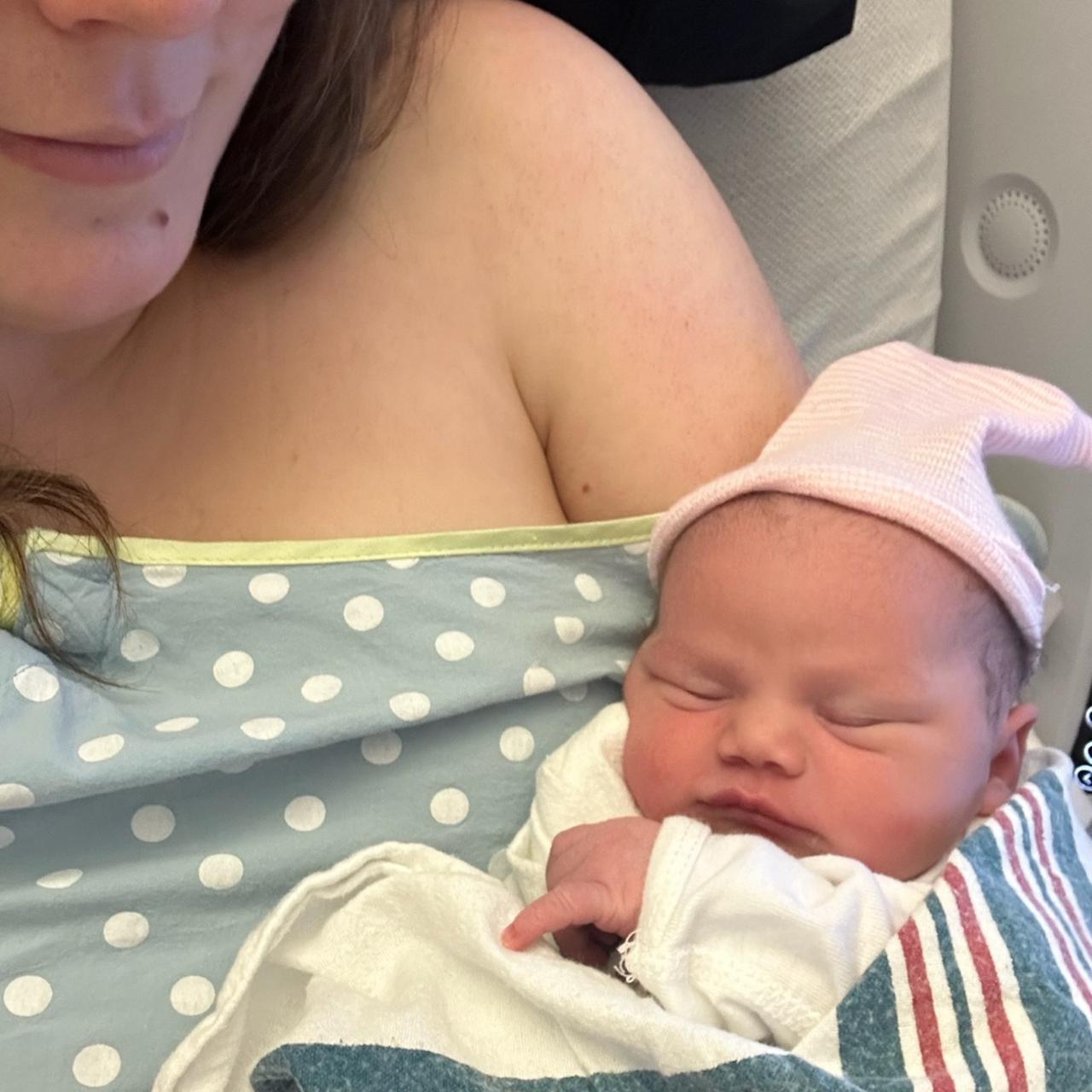
The birth itself is one of the most emotionally intense moments of the entire journey, and one of the least discussed in terms of its impact on the couple specifically.
Intended parents are present as observers at something that is simultaneously the most important moment of their lives and an experience they are not physically part of. The dynamic of that room, the surrogate going through labor while the intended parents wait, is genuinely without precedent for most people.
After the baby comes home, many intended parents find that grief surfaces in unexpected ways alongside the joy. According to Cofertility, grief can resurface even after the baby arrives. Some intended parents experience a loss of connection when the surrogate relationship moves into a different phase. Some feel grief about the pregnancy they did not carry arriving precisely when they thought they had finished processing it.
Two partners will not feel this the same way or on the same timeline. In the blur of new parenthood, with a baby who needs constant attention and a life that has fundamentally changed overnight, finding space to tell your partner what you are actually feeling is genuinely hard.
According to Surrogate Alternatives, psychological support is a pillar of resilience in the surrogacy process, not an intervention when things break down.
What the strongest couples do differently here: They anticipate that the postpartum period will be emotionally complicated and they do not treat emotional complexity as a sign that something has gone wrong. They have support in place before the birth, not after. A reproductive mental health professional who has been part of the journey rather than an emergency resource called in during crisis.
What the Strongest Couples Do Differently: The Full Picture
Across every phase, the couples who come through a surrogacy journey with their relationship strengthened share specific, learnable practices.
They talk about the process and about themselves separately
There is a meaningful difference between talking about what is happening in the surrogacy process and talking about what is happening inside the marriage. The strongest couples do both. They do not let logistics crowd out the deeper conversation about how each person is actually doing.
They do not wait until something is wrong to seek support
According to Surrogate Alternatives, psychological support is a pillar of resilience in the surrogacy process, not a crisis intervention. The couples who engage with a reproductive mental health professional from the beginning navigate the difficult phases with more tools and significantly less damage.
The ASRM recommends psychological counseling for all intended parents engaging in surrogacy as a standard component of the process, not an optional add-on.
They maintain their identity as a couple outside the surrogacy context
The surrogacy journey is consuming. It can become the entire identity of the relationship for the duration. Couples who protect time and space that belongs to them as a couple, not as intended parents or surrogacy participants, come through with a relationship that has been maintained rather than deferred.
They allow each other to grieve differently
Grief does not run on a shared timeline. The partner who has processed the loss of carrying a pregnancy and moved into hope may need their partner who is still grieving to not be rushed. The couple that builds tolerance for this difference, that does not treat the other person’s emotional pace as a problem to solve, protects the intimacy that makes the journey bearable.
They talk about money honestly and often
Financial strain in silence is one of the most corrosive forces in any marriage. Couples who name the financial pressure, make financial decisions together, and allow each other to feel anxious about cost without treating that anxiety as a betrayal of the decision to pursue surrogacy have significantly less resentment to manage later.
They treat the surrogate relationship as a shared responsibility
When one partner manages the surrogate relationship entirely alone and the other is peripheral to it, an imbalance builds that is hard to name and easy to feel. The strongest couples are both present, even when one person takes the primary communication role.
A Note on Same-Sex Male Couples
Same-sex male couples navigating surrogacy face their own specific version of some of these dynamics. Neither partner is carrying the pregnancy. If one partner’s genetic material was used for the embryo, the other partner’s relationship to the pregnancy can feel qualitatively different, even when both partners are equally committed and excited.
According to the Seleni Institute, research shows that male same-sex fathers often maintain strong, lasting relationships with surrogates, who can help facilitate bonding with the newborn. The more actively the non-genetic partner is involved in attending appointments, communicating with the coordinator, and participating in decisions, the faster a full sense of parenthood develops for both.
Frequently Asked Questions
Does surrogacy put strain on a marriage?
Yes, in specific and predictable ways. Financial pressure, required periods of physical abstinence, different emotional timelines between partners, and the communication demands of a complex process all place real demands on a relationship. The couples who experience surrogacy as strengthening their marriage are not the ones who found it easy. They are the ones who engaged actively with the hard parts rather than waiting for them to pass.
What are the biggest relationship challenges during surrogacy?
The most commonly reported challenges are the shift in physical intimacy during the medical phase, the difference in how each partner processes grief and hope, financial strain, one partner taking on disproportionate logistical weight, and the emotional complexity of the relationship with the gestational carrier. According to Phoenix Health, depression affects between 25 and 60 percent of couples navigating fertility challenges, and these effects carry directly into the surrogacy journey.
Should we see a therapist during our surrogacy journey?
Yes. The ASRM recommends psychological counseling for all intended parents as a standard component of the surrogacy process. A reproductive mental health professional is not a crisis resource. It is infrastructure.
How do we stay connected as a couple during the surrogacy process?
The most consistently effective approach is protecting time that is not about surrogacy logistics, designating specific windows for process discussions so other time stays free, maintaining physical closeness that is not tied to fertility outcomes, and naming what each partner is feeling rather than assuming you are on the same page because you made the same decision.
What happens to the relationship after the baby comes home?
Many couples report that the arrival of the baby brings unexpected emotional complexity alongside the joy, including grief that resurfaces, the end of the surrogate relationship, and the significant adjustment to a life that has fundamentally changed. Having support in place before the birth rather than after is the single most effective preparation.
Does Nascency support couples through the relationship dynamics of surrogacy?
Yes. Nascency connects intended parents with reproductive mental health professionals throughout the journey, not just at screening. We believe that supporting your marriage is part of supporting your surrogacy journey. Reach out at nascency.com/family.
Sources
- Phoenix Health — Surrogacy and Mental Health:
https://www.joinphoenixhealth.com/resourcecenter/surrogacy-and-mental-health/
- GestLife Surrogacy — Social Impact of Surrogacy:
https://gestlifesurrogacy.com/en/blog/social-impact-surrogacy-family-friends-community/
- Surrogate.com — How Surrogacy May Affect Your Significant Other:
https://surrogate.com/surrogates/people-involved-in-your-surrogacy/how-surrogacy-may-affect-your-significant-other/
- mother-surrogate.com — How Surrogacy Affects Relationships:
https://www.mother-surrogate.com/how-surrogacy-affects-relationships-family-and-bond-psychology-in-2026.html
- KindestMind — Long-Term Psychological Impact of Surrogacy:
https://kindestmind.com/surrogacy/the-long-term-psychological-impact-of-surrogacy/
- IVF Babble — Emotional Side of Surrogacy for Intended Parents:
https://www.ivfbabble.com/the-emotional-side-of-surrogacy-for-intended-parents/
- Seleni Institute — Navigating Surrogacy Relationships:
https://seleni.org/advice-support/healthy-surrogacy-relationships
- Rachel Goldberg Therapy — Navigating Emotions as an Intended Parent:
https://www.rachelgoldbergtherapy.com/blog/navigating-emotions-as-an-intended-parent-in-the-surrogacy-process
- Cofertility — Coping With the Grief of Surrogacy:
https://www.cofertility.com/family-learn/surrogacy-coping-with-the-grief
- Surrogate Alternatives — Psychological Support System in Surrogacy:
https://www.surrogatealternatives.com/the-psychological-support-system-in-surrogacy-a-vital-framework-for-all-parties-involved/
- ASRM — Recommendations for Practices Using Gestational Carriers (2022):
https://www.asrm.org/practice-guidance/practice-committee-documents/recommendations-for-practices-using-gestational-carriers-a-committee-opinion-2022/
- Marriage.com — Things to Know Before Choosing a Surrogate:
https://www.marriage.com/advice/pregnancy/surrogate-mother/
INTERNAL NASCENCY LINKS — ALL VERIFIED LIVE:
For Families — nascency.com/family/
Used in the FAQ section and closing CTA. Live and confirmed.
The Surrogacy Process Explained — nascency.com/blog/the-surrogacy-process-explained/
Used in Phase One section as context for how the surrogacy process is structured. Live and confirmed.
IVF 101 for Surrogates — nascency.com/blog/ivf-101-for-surrogates/
Used in Phase Two section as context for the medical process during the intimacy shift phase. Live and confirmed.
Pregnancy Expectations for Surrogates — nascency.com/blog/pregnancy-expectations-for-surrogates/
Used in Phase Three section as further reading on what the pregnancy phase involves. Live and confirmed.
Nascency Learning Center — nascency.com/learn/
Used in Sources section. Live and confirmed.